

Why Some Homes Sit on the Market — And How to Avoid It

Selling a home is a major milestone, and most homeowners expect strong interest as soon as their property hits the market. When a home doesn’t sell quickly, it can feel frustrating, confusing, and even discouraging.
The truth is, homes don’t sit on the market because of bad luck — they sit because the approach sometimes needs refinement.
Understanding why a home may not be selling is the first step toward correcting the issue and getting results.
Pricing That Misses the Market
One of the most common reasons homes sit on the market is overpricing. While every homeowner wants to maximize value, buyers today are highly informed and educated. They compare homes online, track price history, and know when a property is priced above comparable homes. Their agent is doing the same homework and advising them whether the home is priced within a reasonable price point.
Key indications that a home may be priced too high include:
Buyer traffic is slow
Showings decrease the longer the home is on the market
The listing becomes “stale,” causing buyers to wonder why it hasn’t sold
Later price reductions may raise red flags
Strategic pricing from the start is critical. Homes priced correctly often generate more interest, which can lead to stronger offers and better overall outcomes.
First Impressions Matter More Than Ever
Buyers form opinions within seconds — often before they ever step inside the home. Curb appeal and presentation play a major role in how a property is perceived.
Common presentation issues include:
Exterior maintenance concerns
Cluttered or overly personalized interiors
Outdated or poor-quality listing photos
Today’s buyers scroll quickly. Professional photography, thoughtful staging, and a clean, welcoming presentation can make the difference between a showing request and a skipped listing.
Marketing That Falls Short
Simply listing a home is no longer enough. Properties need a comprehensive marketing strategy to reach the right buyers.
Effective marketing includes:
High-quality photography and compelling property descriptions
Exposure across major real estate platforms and social media
Targeted outreach to buyers actively searching in the area
When marketing is limited, even great homes can go unnoticed.
Condition and Deferred Maintenance
This goes hand in hand with presentation. Buyers are often willing to take on cosmetic updates, but visible maintenance issues can be a deal breaker. Small problems may signal larger concerns and cause buyers to hesitate.
Examples include:
Aging roofs or mechanical systems
Outdated finishes without context or pricing strategy
Minor repairs that make a “move-in ready” home feel neglected
Addressing key items before listing — or pricing accordingly — can significantly improve buyer confidence.
How the Right Strategy Changes Everything
When a home sits on the market, it’s rarely because it can’t sell — it’s usually because the approach needs to be adjusted. Pricing, presentation, and marketing must work together to attract today’s buyers.
Our goal is always to:
Position your home competitively
Highlight its strengths
Create a clear plan based on real market data
Every home is unique, and so is every selling strategy.
Thinking About Selling?
If you’re considering selling — or wondering why your home hasn’t sold yet — having the right guidance makes all the difference. A thoughtful, data-driven approach can help you move forward with confidence and clarity.
Why Your Asking Price Matters Even More Right Now

If you’re thinking about selling your house, here’s something you really need to know. Even though it’s still a seller’s market today, you can’t pick just any price for your listing.
While home prices are still appreciating in most areas, they’re climbing at a slower pace because higher mortgage rates are putting a squeeze on buyer demand. At the same time, the supply of homes for sale is growing. That means buyers have more options and your house may not stand out as much, if it’s not priced right.
Those two factors combined are why the asking price you set for your house is more important today than it has been in recent years.
And some sellers are finding that out the hard way. That’s leading to more price reductions. Mike Simonsen, Founder and President of ALTOS Research, explains:
“Looking at the price reductions data set . . . It all fits in the same pattern of increasing supply and homebuyer demand that is just exhausted by high mortgage rates. . . As home sellers are faced with less demand than they expected, more of them have to reduce their prices.”
That’s because they haven’t adjusted their expectations to today’s market. Maybe they’re not working with an agent, so they don’t know what’s happening around them. Or they’re not using an agent who prioritizes being a local market expert. Either way, they aren’t basing their pricing decision on the latest data available – and that’s a miss.
If you want to avoid making a pricing mistake that could turn away buyers and delay your sale, you need to work with an agent who really knows your local market. If you lean on the right agent, they’ll help you avoid making mistakes like:
Setting a Price That’s Too High: Some sellers have unrealistic expectations about how much their house is worth. That’s because they base their price on their gut or their bottom line, not the data. An agent will help you base your price on facts, not opinion, so you have a better chance of hitting the mark.
Not Considering What Houses Are Actually Selling for: Without an agent’s help, some sellers may use the wrong comparable sales (comps) in their area and misjudge the market value of their home. An agent has the expertise needed to find true comps. And they’ll use those to give you valuable insights into how to price your house in a way that’s competitive for you and your future buyer.
Overestimating Home Improvements: Sellers who have invested a significant amount of money in home improvements may overestimate how much those upgrades affect their home's value. While certain improvements can increase a home's appeal, not all upgrades are going to get a great return on their investment. An agent factors in what you’ve done and what buyers in your area actually want as they set the price.
Ignoring Feedback and Market Response: Some sellers may be resistant to lowering their asking price based on feedback they’re getting in open houses. An agent will remind the seller how important it is to be flexible and respond to market feedback in order to attract qualified buyers.
In the end, accurate pricing depends on current market conditions – and only an agent has all the data and information necessary to find the right price for your house. The right agent will use that expertise to develop a pricing strategy that’s based on current market conditions and designed to get your house sold. That way you don’t miss the mark.
Bottom Line
The right asking price is even more important today than it’s been over the last few years. To avoid making a costly mistake, let’s work together.
Is It Easier To Find a Home To Buy Now?

One of the biggest hurdles buyers have faced over the past few years has been a lack of homes available for sale. But that’s starting to change.
The graph below uses the latest data from Realtor.com to show there are more homes on the market in 2024 than there have been in any of the past several years (2021-2023):

Does That Mean Finding a Home Is Easier?
The answer is yes, and no. As an article from Realtor.com says:
“There were nearly 15% more homes for sale in February than a year earlier . . . That alone could jolt the housing market a bit if more “For Sale” signs continue to appear. However, the nation is still suffering from a housing shortage even with all of that new inventory.”
Context is important. On the one hand, inventory is up over the past few years. That means you’ll likely have more options to choose from as you search for your next home.
But, at the same time, the graph above also shows there are still significantly fewer homes for sale than there would usually be in a more normal, pre-pandemic market. And that deficit isn’t going to be reversed overnight.
What Does This Mean for You?
You might find a few more choices now than in recent years, but you shouldn’t expect a ton of options.
To help you explore the growing list of choices you have now, team up with a local real estate agent you trust. They can really help you understand the inventory situation where you want to buy. That’s because real estate is local. An experienced agent can share some smart tips they’ve used to help other buyers in your area deal with ongoing low housing supply.
Bottom Line
If you’re thinking about buying a home, let’s team up. That way, you’ll be up to date on everything that could affect your move, including how many homes are for sale right now.

The First Step: Getting Pre-Approved for a Mortgage

Some Highlights
If you’re looking to buy a home in 2024, getting pre-approvedis a key piece of the puzzle. Mortgage pre-approval means a lender checks your finances and decides how much you’re qualified to borrow.
As more buyers re-enter the market, it’ll help you make a strong offer that stands out from the crowd.
Talk to a trusted professional to learn more and begin your homebuying process today.
It’s Time To Prepare Your House for a Spring Listing

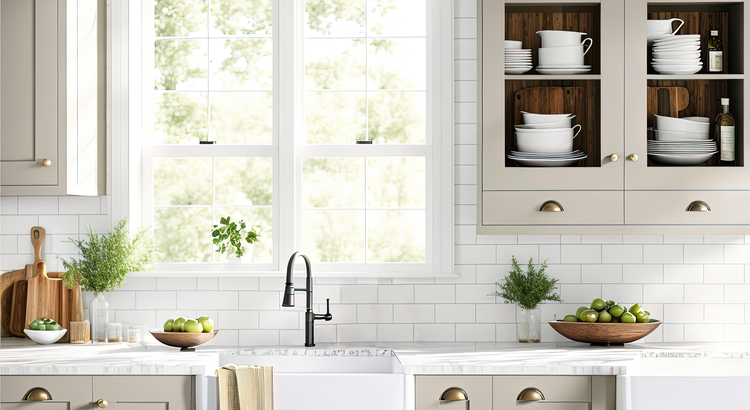
If you're thinking of selling your house this spring, now is the perfect time to start getting it ready. With the market gearing up for its busiest time of year, it'll be important to make sure your house shines bright among the competition.
Here are some valuable tips you can use to get your house market-ready.
Declutter and Organize
First impressions matter, and if your house is a mess, that can easily turn off potential buyers. Before listing, take the time to declutter and organize each room. Decluttering is about more than just tidying up – it's about creating a sense of space and openness that allows potential buyers to envision themselves living in your home. According to Moving.com:
“Decluttering and organizing your space will go a long way in appealing to potential buyers. . . .decluttering will help the buyers see themselves living in your home. Less clutter inside a home also helps a place appear larger and cleaner, which should attract more buyers.”
Deep Clean Your Kitchen and Bathrooms
The kitchen and bathrooms are focal points for many buyers, and often influence their overall opinion of the house. Ensure these spaces dazzle by giving them a thorough deep cleaning. Pay attention to details like scrubbing grout lines, polishing fixtures, and decluttering countertops. A sparkling kitchen and bathroom can leave a lasting positive impression on potential buyers.
Maintain Your Yard
Your home’s exterior is the first thing potential buyers see, so it’s important to make a good impression from the moment they arrive. A well-maintained yard not only enhances curb appeal, but also shows buyers the home has been well taken care of.
Take the time to spruce up your yard by mowing the lawn, trimming bushes, and clearing away any debris or dead plants. Remember, the goal is to create a welcoming environment that entices buyers to step inside and imagine themselves living there.U.S. News says:
“A beautifully landscaped front yard can elevate an ordinary house into a charming home and will help homes sell faster and for more money.”
Find a Listing Agent
A skilled listing agent is your partner in minimizing stress when selling your home. Lean on your agent for advice on decluttering, staging, and enhancing your home's appeal to potential buyers. Their insights into market trends and recommendations for reliable contractors and stagers are invaluable. As Realtor.com says:
“A good listing agent will help you price your home . . . recommend a photographer and stager to make it look its best, and put your home on the multiple listing service.”
Bottom Line
By decluttering, deep cleaning, and tidying up your house, you can create a welcoming environment that resonates with buyers and increases your chances of a successful sale. Let’s connect on what you need to do to get your house ready to sell this spring.