
Why Some Homes Sit on the Market — And How to Avoid It
Selling a home is a major milestone, and most homeowners expect strong interest as soon as their property hits the market. When a home doesn’t sell quickly, it can feel frustrating, confusing, and even discouraging.
The truth is, homes don’t sit on the market because of bad luck — they sit because the approach sometimes needs refinement.
Understanding why a home may not be selling is the first step toward correcting the issue and getting results.
Pricing That Misses the Market
One of the most common reasons homes sit on the market is overpricing. While every homeowner wants to maximize value, buyers today are highly informed and educated. They compare homes online, track price history, and know when a property is priced above comparable homes. Their agent is doing the same homework and advising them whether the home is priced within a reasonable price point.
Key indications that a home may be priced too high include:
Buyer traffic is slow
Showings decrease the longer the home is on the market
The listing becomes “stale,” causing buyers to wonder why it hasn’t sold
Later price reductions may raise red flags
Strategic pricing from the start is critical. Homes priced correctly often generate more interest, which can lead to stronger offers and better overall outcomes.
First Impressions Matter More Than Ever
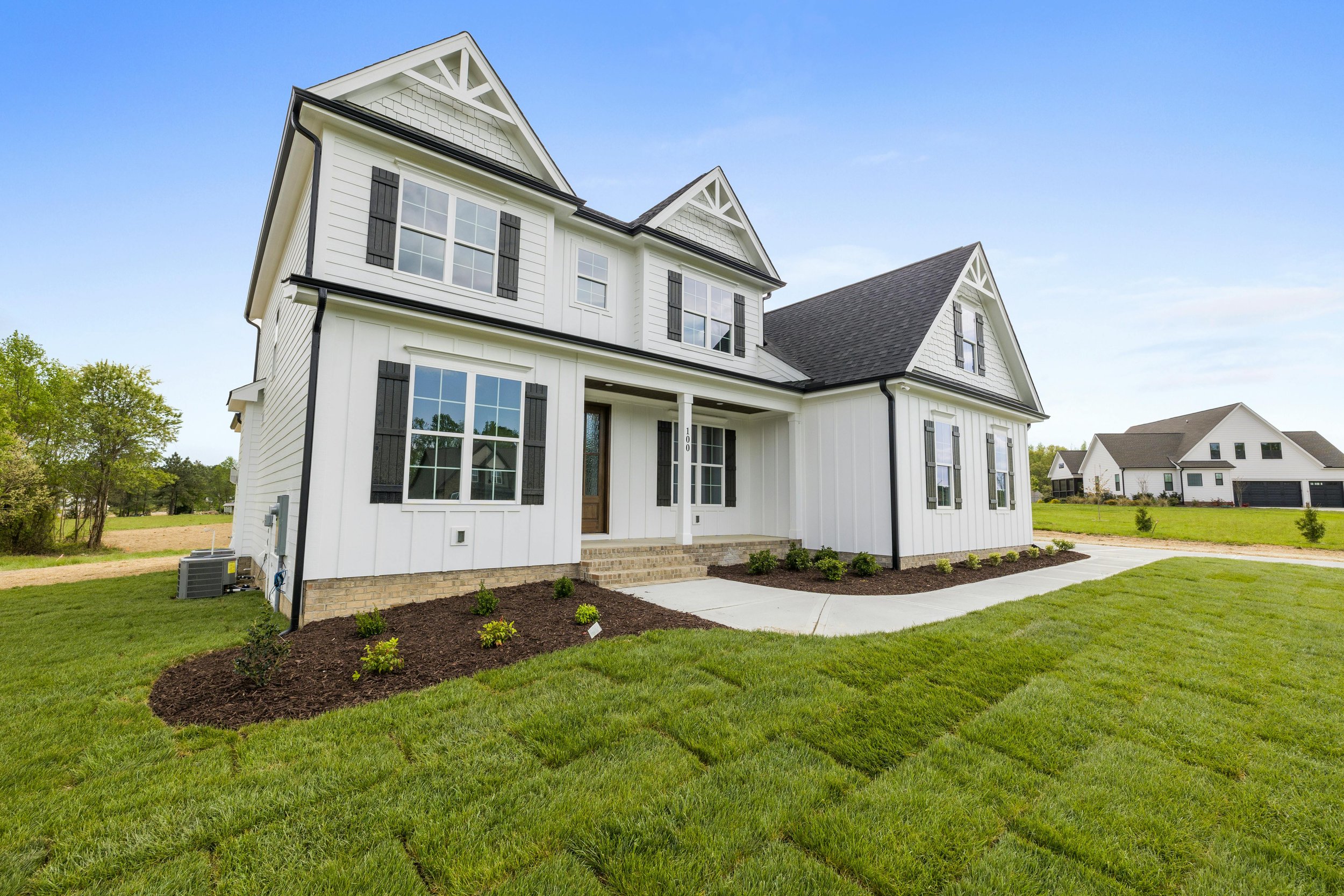
Buyers form opinions within seconds — often before they ever step inside the home. Curb appeal and presentation play a major role in how a property is perceived.
Common presentation issues include:
Exterior maintenance concerns
Cluttered or overly personalized interiors
Outdated or poor-quality listing photos
Today’s buyers scroll quickly. Professional photography, thoughtful staging, and a clean, welcoming presentation can make the difference between a showing request and a skipped listing.
Marketing That Falls Short
Simply listing a home is no longer enough. Properties need a comprehensive marketing strategy to reach the right buyers.
Effective marketing includes:
High-quality photography and compelling property descriptions
Exposure across major real estate platforms and social media
Targeted outreach to buyers actively searching in the area
When marketing is limited, even great homes can go unnoticed.
Condition and Deferred Maintenance
This goes hand in hand with presentation. Buyers are often willing to take on cosmetic updates, but visible maintenance issues can be a deal breaker. Small problems may signal larger concerns and cause buyers to hesitate.
Examples include:
Aging roofs or mechanical systems
Outdated finishes without context or pricing strategy
Minor repairs that make a “move-in ready” home feel neglected
Addressing key items before listing — or pricing accordingly — can significantly improve buyer confidence.
How the Right Strategy Changes Everything
When a home sits on the market, it’s rarely because it can’t sell — it’s usually because the approach needs to be adjusted. Pricing, presentation, and marketing must work together to attract today’s buyers.
Our goal is always to:
Position your home competitively
Highlight its strengths
Create a clear plan based on real market data
Every home is unique, and so is every selling strategy.
Thinking About Selling?
If you’re considering selling — or wondering why your home hasn’t sold yet — having the right guidance makes all the difference. A thoughtful, data-driven approach can help you move forward with confidence and clarity.